Traditional online shops sell through product images, copy, and reviews. Live video shopping goes a step further: products are showcased live, questions are answered instantly, and purchasing decisions are guided in real time.
This direct form of selling closely mirrors the experience of high-street retail and builds trust where traditional product pages often reach their limits.
In this article, you will learn how to set up your first shopping stream systematically: from strategic preparation and technical implementation to analysis and optimisation. The focus is on clear processes, practical feasibility, and measurable results.
Phase 1: Strategic Foundations – Concept and Target Audience Analysis
A successful live commerce strategy begins with precise planning. First, define the thematic focus of your shoppable livestream. Concentrating on a coherent product collection or a specific solution to a problem for your target audience has proven effective. This thematic narrowing increases relevance and simplifies communication.
Next, formulate measurable goals. Clearly prioritise between direct revenue generation, lead acquisition, or increasing brand awareness. These objectives will determine your choice of metrics and success evaluation.
Target audience analysis forms the foundation of all subsequent decisions. Identify precisely which group of people you want to reach. Consider platform preferences, communication styles, and specific needs. These insights determine both your content strategy and the choice of streaming platform.
Phase 2: Technical Infrastructure and Platform Choice
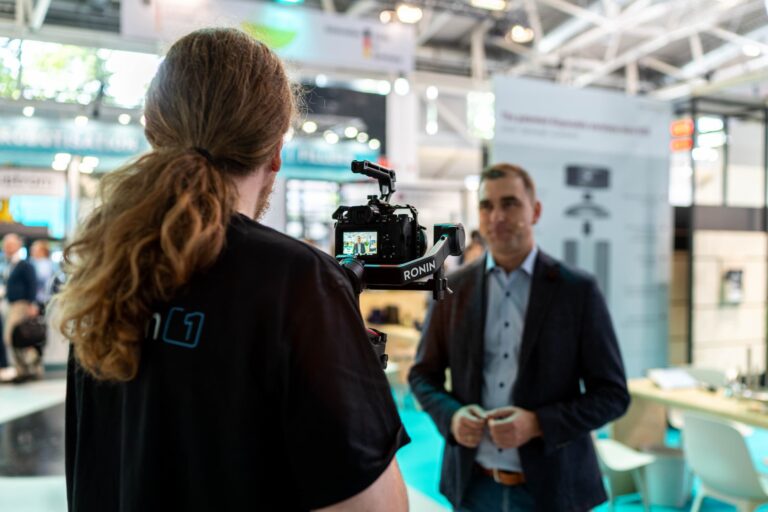
The technical equipment must meet your quality standards without creating unnecessary complexity. For beginners, a modern smartphone with good lighting is sufficient. More professional setups utilise dedicated webcams or system cameras in conjunction with streaming software such as vMix.
These tools enable advanced features like text overlays, branding elements, and multi-camera setups. A livestream with multiple cameras (for example, a wide shot for hosting and a detail camera for product close-ups) significantly increases production quality and improves the customer experience.
When choosing a platform, differentiate between social commerce platforms and bespoke solutions. Instagram Live and TikTok Shop offer immediate access to established communities. Twitch Commerce is suitable for specific niche audiences. An embedded video commerce stream on your own website maximises control and data sovereignty.
Ensure your streaming background is professional and uncluttered. It is essential to observe the legal framework: legal notice requirements (impressum), cancellation policies, and clear labelling of advertisements must be communicated transparently.
Phase 3: Live Hosting and Customer Interaction
Professional hosting is based on structured preparation. Develop a flexible guide rather than a rigid script. Document key arguments and central features for each product. This preparation allows for a natural presentation while ensuring all content is covered.
The differentiator of live commerce compared to traditional e-commerce lies in real-time interaction. Greet viewers personally, initiate dialogue through targeted questions, and react immediately to comments. Do not interpret initial silence as a lack of interest. Communicate continuously, as if you were advising a customer in a physical shop.
The Call-to-Action (CTA) forms the commercial core of every shoppable video. Communicate the purchasing process repeatedly and explicitly.
Phase 4: Post-Stream Management and Performance Measurement
Once the livestream ends, order fulfilment begins. Prioritise swift order processing, careful packaging, and transparent shipping communication. This process quality determines customer satisfaction and influences future purchasing decisions.
Systematically analyse the available key performance indicators (KPIs): viewer numbers, engagement rates, peak times, and click distribution on product links. This data enables evidence-based optimisation of future streams. Repeat successful elements and eliminate weaknesses.
Establish a continuous improvement process: Implementation – Measurement – Analysis – Adjustment. Integrate user feedback into your planning, for example, through enhanced close-up shots or optimised broadcasting times.
A Systematic Entry into Live Video Shopping
Live video shopping is not created through perfection, but through consistent implementation. The decisive factor is taking action, gaining real experience, and addressing your customers directly. Set a theme, choose suitable products, and go live. Every stream provides insights that measurably improve your format.
Start now! Discover the right setup for your entry into live shopping at livestream-shop.com and launch your first streams today.